Electrical control panels are essential components in modern industrial, commercial, and manufacturing environments. They house electrical and automation equipment that helps control, monitor, and protect machinery and electrical systems. Choosing the right type of panel can improve operational efficiency, safety, reliability, and system performance.
For businesses working with automated equipment, understanding the different control panel types can make it easier to select the right solution for a specific application.
RBT Electrical and Automation Services provides electrical and automation solutions designed to support industrial and commercial operations. Here are seven common types of electrical control panels and where they are typically used.
What Are Electrical Control Panels?
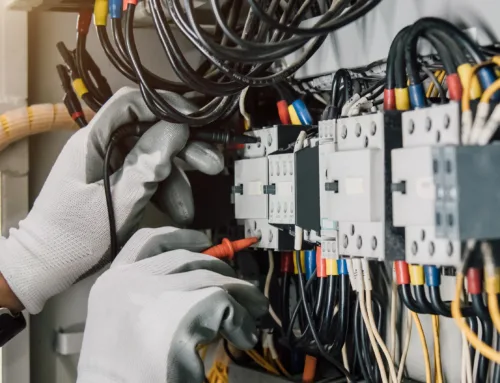
An electrical control panel is an enclosure that contains electrical components used to operate and control equipment or processes. Depending on the application, a panel may include circuit breakers, contactors, relays, programmable logic controllers (PLCs), variable frequency drives (VFDs), transformers, power supplies, and human-machine interfaces (HMIs).
Electrical control panels can provide several important functions, including:
- Controlling machinery and equipment
- Protecting electrical circuits
- Automating industrial processes
- Monitoring system performance
- Managing motor operations
- Improving workplace safety
- Reducing equipment downtime
Different applications require different panel configurations, which is why there are several control panel types available.
PLC Control Panels
PLC control panels use programmable logic controllers to automate and manage machinery and industrial processes. A PLC receives information from sensors and other devices, processes the information according to programmed instructions, and controls connected equipment.
PLC panels are commonly used in:
- Manufacturing facilities
- Production lines
- Material handling systems
- Water and wastewater systems
- Packaging equipment
- Industrial automation applications
One of the main advantages of PLC control panels is their flexibility. Programs can often be modified when production requirements change, making PLC systems suitable for complex automation environments.
Motor Control Panels
Motor control panels are designed to operate and protect electric motors. They can contain components such as motor starters, contactors, overload relays, circuit breakers, and VFDs.
These panels are commonly used for:
- Pumps
- Fans
- Conveyors
- Compressors
- Industrial machinery
- HVAC equipment
A properly designed motor control panel helps provide controlled motor operation while protecting equipment from electrical overloads and other faults.
VFD Control Panels
Variable frequency drive (VFD) control panels are used when applications require precise control over motor speed and performance. A VFD can adjust the frequency and voltage supplied to a motor, allowing operators to control its speed.
VFD control panels can help businesses:
- Control motor speed
- Reduce energy consumption
- Provide smoother motor starting
- Improve process control
- Reduce mechanical stress
They are particularly useful in applications involving pumps, fans, conveyors, and other variable-speed machinery.
MCC Panels
Motor Control Centre (MCC) panels combine multiple motor control units into one centralized electrical system. MCCs allow operators and maintenance personnel to manage multiple motors and associated equipment from a central location.
MCC panels are commonly found in larger industrial facilities, including:
- Manufacturing plants
- Processing facilities
- Water treatment plants
- Mining operations
- Large commercial facilities
MCC systems can simplify motor management and provide organized access to electrical protection and control equipment.
Power Distribution Panels
Power distribution panels are designed to distribute electrical power safely to different circuits, equipment, and areas within a facility.
These panels generally include circuit breakers or fuses that provide protection against electrical overloads and short circuits.
Power distribution panels are used in:
- Industrial facilities
- Commercial buildings
- Manufacturing plants
- Warehouses
- Processing facilities
Unlike automation-focused panels, their primary purpose is electrical power distribution and circuit protection.
HMI Control Panels
Human-Machine Interface (HMI) control panels provide operators with a visual interface for monitoring and controlling machinery or automated processes.
An HMI can display information such as:
- Motor status
- Production data
- Temperature
- Pressure
- Alarm conditions
- Equipment faults
- Process information
Operators can also use touchscreen controls to start or stop equipment, adjust settings, and respond to system alarms.
HMI panels are often integrated with PLC-based automation systems to provide a user-friendly way to interact with industrial equipment.
Automation Control Panels
Automation control panels are designed to integrate multiple electrical and automation components into a centralized control system. Depending on the application, they may include PLCs, HMIs, VFDs, relays, communication equipment, power supplies, and other control components.
These panels are used in advanced applications such as:
- Automated production lines
- Industrial machinery
- Process automation
- Material handling
- Building automation
- Manufacturing systems
Automation control panels can help businesses improve productivity, reduce manual intervention, and maintain consistent processes.
How to Choose the Right Control Panel Type
Selecting the right electrical control panels depends on several factors. Before choosing a panel, businesses should consider:
Application Requirements
Determine what the panel needs to control, whether it is a single motor, multiple machines, a production line, or a complete automated process.
Electrical Requirements
Consider voltage, current, motor loads, short-circuit ratings, and other electrical specifications to ensure the panel is appropriately designed.
Automation Requirements
If the system requires automated sequences, sensors, data collection, or remote monitoring, PLC and HMI technology may be appropriate.
Environmental Conditions
The panel enclosure should be suitable for its installation environment. Factors such as dust, moisture, temperature, chemicals, and outdoor exposure can affect panel selection.
Future Expansion
A control panel should ideally allow room for future equipment, circuits, or automation upgrades. Planning for expansion can reduce modification costs later.
Why Professional Electrical Control Panel Services Matter
Proper design, installation, wiring, testing, and maintenance are important for reliable electrical and automation systems. Incorrectly selected or poorly installed components can lead to equipment failures, production interruptions, and safety risks.
Working with an experienced electrical and automation service provider can help ensure that control panels are designed around the specific requirements of your facility and equipment.
Choose RBT Electrical and Automation Services
Understanding different control panel types is an important first step when planning an industrial or commercial electrical system. From PLC and motor control panels to VFD, MCC, HMI, and automation panels, each type serves a specific purpose.
RBT Electrical and Automation Services can help businesses identify electrical and automation requirements and develop solutions that support reliable equipment operation and efficient processes.
If your business needs electrical control panel design, installation, troubleshooting, or automation services, contact RBT Electrical and Automation Services to discuss your project requirements.